The Best Fluffy Pancakes recipe you will fall in love with. Full of tips and tricks to help you make the best pancakes.

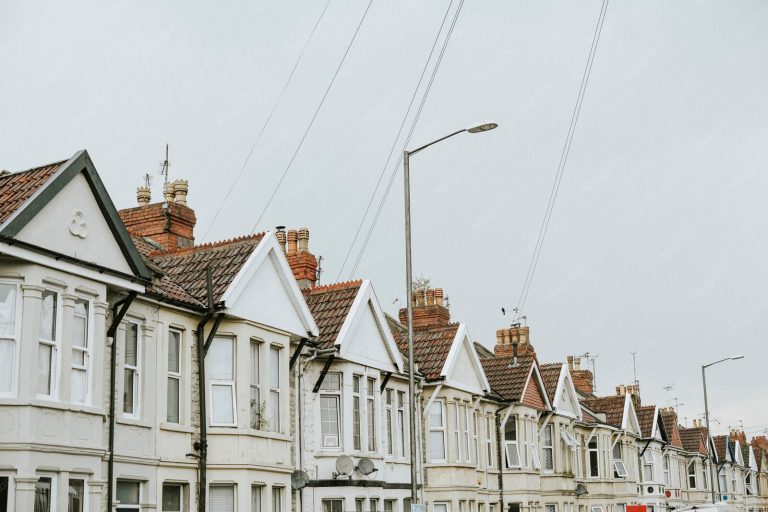
Sash window repair is one of the best examples of why “repair, don’t replace” makes sense. Traditional timber sliding sashes were designed to be maintained, taken apart and repaired for generations. Many in Victorian and Edwardian homes are well over a century old and still working. When they rattle, stick, let in draughts or refuse to stay open, the cause is usually a broken cord, worn beads or a little rot, not the end of the window.
This guide explains how a sash window works, the common faults and their fixes, typical repair costs, and the honest case for and against replacement. It also covers planning rules, which in conservation areas often make repair the only realistic option.
Quick answer
Most sash window problems can be repaired. A new sash cord typically costs around £140, professional draught-proofing roughly £248–£388 per window, and a full restoration about £620–£920 per window. Replacing a timber sash is far more expensive and, in listed buildings and many conservation areas, may not be permitted.
How a sash window works
A traditional box sash window has two sliding sashes, upper and lower, which run in channels inside a hollow timber box frame. Each sash is balanced by cast iron or lead weights hidden inside the box, connected by cords that run over pulleys at the top. When the cords and weights are balanced, the sash stays wherever you leave it.
Thin strips of timber called beads keep the sashes in their channels. The parting bead separates the two sashes, and the staff bead holds the lower sash in on the inside. These are designed to be removable so the sashes can be taken out for repair.
Common sash window problems and their fixes
| Problem | Usual cause | Repair |
|---|---|---|
| Sash will not stay up, or drops suddenly | Broken or stretched sash cord | Re-cording |
| Sash will not open at all | Painted shut or swollen timber | Easing, freeing and adjusting |
| Rattling in the wind | Worn beads and gaps | New beads and draught-proofing |
| Cold draughts | Gaps around the sashes | Brush-pile draught-proofing |
| Soft or crumbling timber | Rot in sills or bottom rails | Splicing in new timber or resin repair |
| Cracked or loose glass | Old putty failed, glass broken | Reglazing and new putty |
Sash window repair costs
Prices vary with the size of the window, its condition, its height and how much paint and putty work is needed. These are typical UK ranges from Checkatrade and other published guides:
| Repair | Typical cost |
|---|---|
| Sash cord replacement | Around £120–£160 (average about £140) |
| Draught-proofing, per window | £248–£388 |
| Sill splice repair | £120–£240 |
| Sill replacement | £160–£320 |
| Replacement sash | £270–£400 |
| Full sash window restoration | £620–£920 |
| Full refurbishment with slim double glazing retrofit | £1,300–£1,750 |
Draught-proofing: the biggest comfort upgrade
Unrestored sash windows are draughty by nature. There are small gaps between the sashes, the beads and the box so that everything can slide. Professional draught-proofing fits discreet brush-pile seals into the beads and meeting rails. The sashes still slide easily, but draughts and rattles fall dramatically.
Because the change is invisible from outside, draught-proofing is usually acceptable even in sensitive conservation areas. It is often the single most cost-effective improvement you can make to a period window. Our guide to fixing draughty windows covers draughts in other window types.
Can sash windows be double glazed?
Yes, in several ways, each with trade-offs:
- Slim double glazing in existing sashes. Thin sealed units are fitted into the original sashes after the rebates are adapted. It keeps the original timber but needs heavier weights to rebalance the sashes.
- New double glazed sashes in the existing box. The frame is kept and new sashes are made to match. Homebuilding has quoted around £600–£800 per window for this approach.
- Secondary glazing. A separate, discreet inner window. The Energy Saving Trust notes that permanent secondary glazing can be very energy efficient, and it leaves the original window untouched.
- Thermal curtains or shutters. Simple and reversible, particularly for listed buildings.
In a listed building, any of these may need listed building consent. Always check first.
Sash windows in Basingstoke conservation areas
Basingstoke and Deane Borough Council says the borough has more than 40 conservation areas. Several of the Victorian and Edwardian parts of Basingstoke, including the Town Centre, Fairfields, South View and Brookvale West, are covered by Article 4 Directions. These mean that replacing front-facing windows can need planning permission.
The council’s guidance on changing windows in a conservation area says that where windows are in poor condition but repairable, they should be retained and repaired, because replacement would not be supported. If you believe a window is beyond repair, the council asks for evidence from someone with conservation experience rather than a company that would be paid to replace it. Our Basingstoke repair guide explains the local rules, and the council’s conservation areas page lists every area.
Sash window repair vs replacement: the honest comparison
Repair and restore
- Keeps original timber and glass
- Usually acceptable in conservation areas
- Draught-proofing transforms comfort
- Can be phased window by window
- Old-growth timber often outlasts modern softwood
Replace
- Often needs permission in sensitive areas
- Listed buildings need consent
- High cost for quality timber replicas
- uPVC sash lookalikes rarely acceptable in conservation areas
- Justified only where the window is beyond repair
Signs a sash window may be beyond repair
Replacement becomes reasonable only when the timber has failed on a large scale. Look for rot running through the box frame itself rather than just the sill or bottom rail, extensive structural failure of the sashes, or a frame that has been badly altered in the past. Even then, it is often possible to replace just the sashes and keep the box, or to replicate the original design exactly. A specialist condition report is worth getting before deciding. For the wider decision, see should I replace my windows?
Looking after restored sash windows
- Repaint every few years before the paint film breaks down, paying special attention to sills and bottom rails.
- Check putty and replace any that is cracked or missing.
- Open the sashes regularly so they do not become painted shut.
- Do not paint the cords or the sash channels.
- Clear the sill drip so water runs off rather than sitting against the timber.
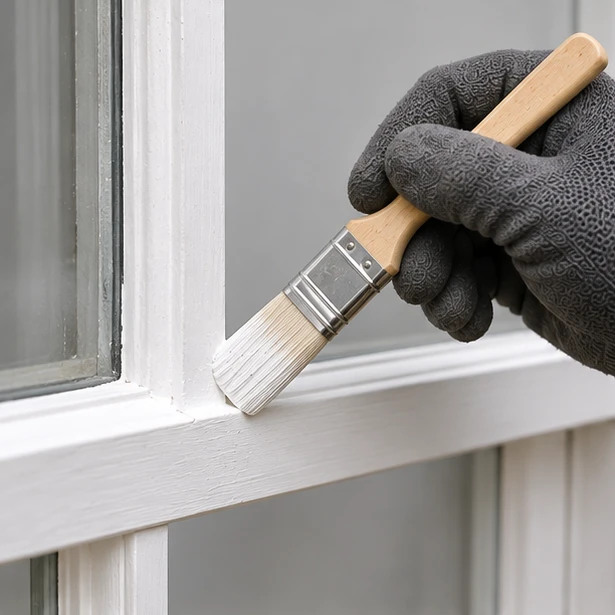 1
Repaint, keeping paint off the glass
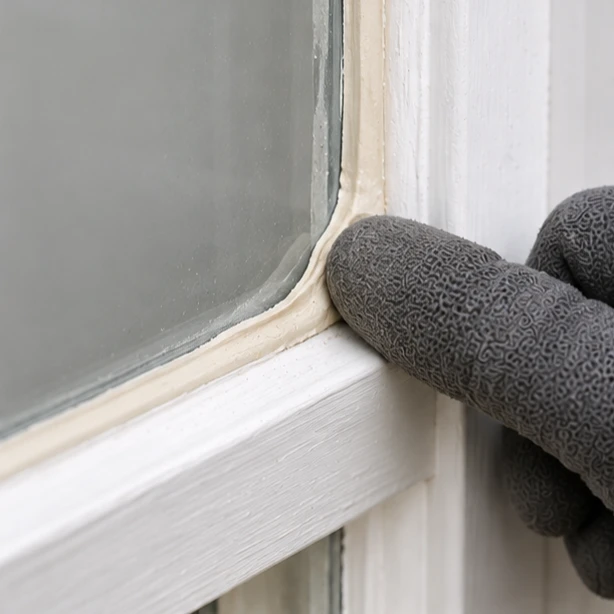 2
Check the putty around each pane
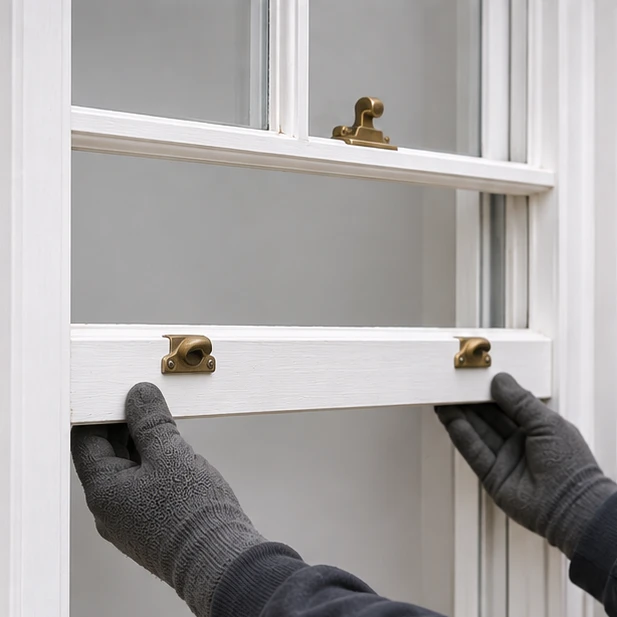 3
Open the sashes regularly
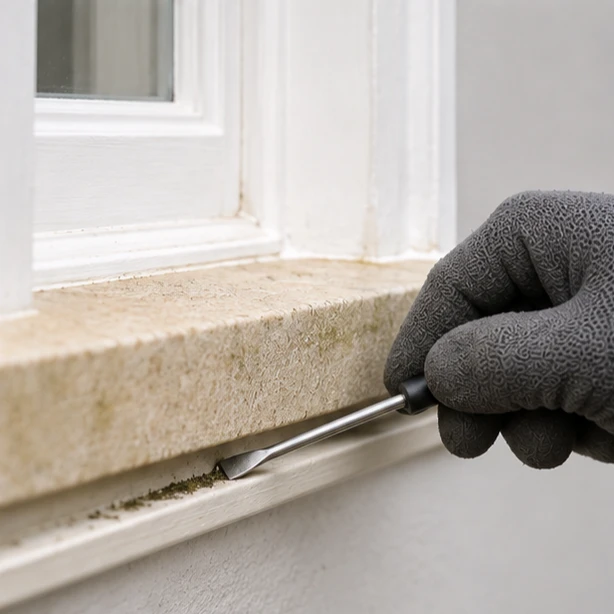 4
Clear the drip groove under the sill
Who to call for sash window repair
Sash window repair is a specialist trade. Look for a sash window specialist or an experienced joiner who regularly re-cords, draught-proofs and splices timber. For listed buildings and conservation areas, ask about their conservation experience and whether they can produce a condition report. A company that mainly sells uPVC windows is rarely the right choice for period sashes. Our guide on choosing a window repair specialist covers what to ask.
What to watch out for
- Replacement recommended for sills or bottom rails that could be spliced.
- uPVC sash lookalikes proposed for a house in an Article 4 area or a listed building.
- Painted-over cords and pulleys after decoration, which make sashes stick.
- Slim double glazing fitted without rebalancing the weights, which makes sashes drop.
Sash window repair and maintenance plan
Restored sashes can last for generations with a simple plan. Repaint every few years before the paint breaks down, starting with sills and bottom rails. Check putty and replace loose sections. Open the sashes regularly so they do not seize. Keep the sill drip clear so water runs off the timber. Combine this with professional draught-proofing and a period window can be comfortable, quiet and efficient.
Keep reading
Frequently asked questions
How long do sash windows last?
Well-maintained timber sash windows can last well over a century. Many original Victorian sashes are still in use after repair and draught-proofing.
Is sash window repair cheaper than replacement?
Almost always. Re-cording, draught-proofing and restoration cost far less than high-quality timber replacements.
Can I replace sash windows with uPVC in a conservation area?
It depends on the area and any Article 4 Direction. Many councils, including Basingstoke and Deane, favour repair. Check before ordering anything.
Can I fix a broken sash cord myself?
It is possible, but it involves removing beads and sashes and accessing the weight pockets. Many homeowners prefer a specialist, especially on upper floors.
Featured image by rawpixel.com on Magnific (free licence).