The Best Fluffy Pancakes recipe you will fall in love with. Full of tips and tricks to help you make the best pancakes.

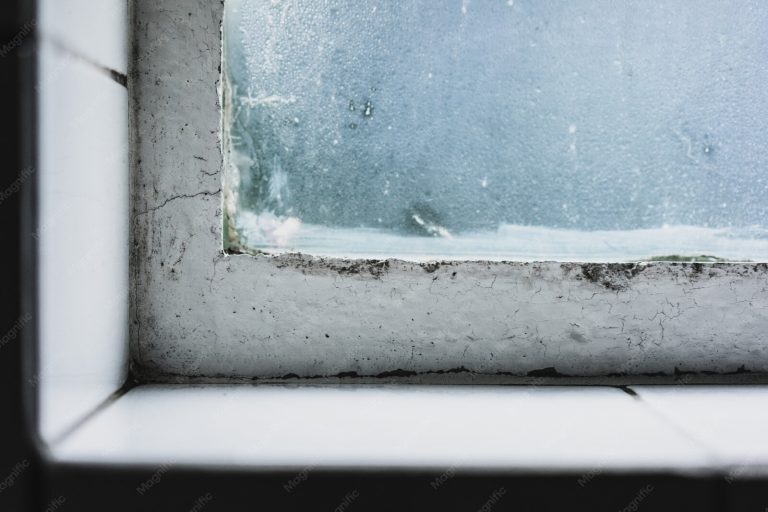
Misted double glazing is the single most common reason homeowners start collecting quotes for new windows. It is also the most common reason they end up paying for far more than they need. If you can see fog, droplets or a milky film trapped between the two panes, the window itself is rarely the problem. In most cases only the sealed glass unit has failed, and that unit can be swapped in around an hour without touching the frame, the hinges or your decoration.
This guide explains what misted double glazing actually means, how to confirm it in two minutes, what a fix costs in 2026, and the small number of situations where replacing the whole window genuinely is the better decision.
Quick answer
If the moisture is between the panes, the seal on the sealed unit has failed. Replace the glass unit, not the window. A typical replacement unit costs roughly £55–£145 supplied and fitted for an average window, while a complete new window usually costs £350–£600 or more installed.
What misted double glazing really means
A double glazed “sealed unit” is two sheets of glass held apart by a spacer bar around the edge. The spacer is filled with a desiccant, a drying agent that soaks up any moisture left inside during manufacture. The whole edge is then sealed, usually with a primary butyl seal and a secondary polysulphide or silicone seal. Many modern units also hold an insulating gas such as argon between the panes.
As long as those seals hold, the air between the panes stays dry. Once a seal breaks down, damp outside air slowly gets in. The desiccant copes for a while. Eventually it becomes saturated, and moisture starts condensing on the inner faces of the glass whenever the temperature changes. That is why misting is often worst on a cold morning or when the sun first hits the window.
Left for long enough, the repeated wetting and drying leaves mineral deposits on the glass. At that stage the unit looks permanently cloudy, even on a dry day. Nothing you can do from the outside will clean it, because the dirt is sealed inside.
Why sealed units fail
- Age. Seals are not permanent. Units from the 1990s and early 2000s are now well past the age when failures become common.
- Heat and sunlight. South and west facing windows expand and contract more each day, which works the seal harder.
- Water sitting in the frame. If the drainage slots in the frame are blocked, rainwater pools around the bottom edge of the unit and attacks the seal.
- Poor original fitting. Missing or badly placed glazing packers let the unit sit unevenly, putting stress on one corner.
- Physical damage. Pressure washers, a ladder knock or a chipped edge can all start a leak.
How to check whether your double glazing is misted
Not every damp window has a failed unit. Condensation on the room side of the glass is about humidity in your home, not a broken seal. Here is a simple test that takes two minutes:
- Wipe the inside surface. Use a dry cloth on the room side. If the glass clears, the moisture was indoor condensation. Our guide to condensation between glass panes explains how to tell the difference and how to reduce it.
- Wipe the outside surface. If that clears it, the moisture was on the outside, usually dew on a cold, still morning. That is normal for efficient modern glass.
- Look for what will not wipe away. If droplets, fog or a white haze remain after cleaning both faces, the moisture is trapped between the panes. That is misted double glazing, and the sealed unit has failed.
- Check the rest of the window. Open and close it. Note any sticking handles, dropped sashes or draughts so they can be fixed on the same visit.
Misted double glazing: repair or replace?
For the vast majority of homes, the answer is to repair. The frame, hinges and locks are usually fine, and only the glass unit needs changing. The comparison below shows why.
Replace the sealed unit
- The frame, hinges and handles stay where they are
- No plaster or decoration damage
- Usually about an hour per unit on the day
- Typically £55–£145 for an average window
- Replacing glass alone is not normally building work under the Building Regulations
- A chance to upgrade to low-E glass or obscure glass
Replace the whole window
- Frame removed and the opening made good
- Often several hundred pounds per window, more for bays and large sizes
- Must meet current thermal standards and be certified
- More disruption, mess and waiting time
- Worth it only when the frame itself has failed
The Planning Portal states that the Building Regulations will not normally apply if the work is no more than replacing broken glass or rotten sections of a frame. You can read the official wording on the Planning Portal doors and windows page. A full window replacement, by contrast, has to comply and must be certified by a registered installer or signed off by Building Control.
How much does misted double glazing repair cost?
The size of the unit is the biggest factor in the price. Specialist glass, awkward access and a minimum call-out charge all add to it. These are typical 2026 supply-and-fit ranges published by UK trade price guides:
| Type of sealed unit | Typical cost (supplied and fitted) |
|---|---|
| Small window unit | £55–£75 |
| Large window unit | £115–£145 |
| Obscure (frosted) unit | £70–£170 |
| High-performance energy efficient unit | £80–£190 |
| Conservatory side panel | £120–£250 |
Many glaziers also charge a minimum of around £80–£150 for the visit, which normally covers the first unit. That is why it pays to have every misted pane in the house replaced in one trip rather than one at a time.
For a full breakdown of other common repairs, including hinges, handles and locks, see our double glazing repair cost guide.
What about “demisting” services?
Some companies offer to drill tiny holes in the glass, wash out the inside and fit small vents. Prices are usually around £60–£120 per unit. It can make a cloudy unit look clearer for a while.
However, it does not repair the seal. The unit is permanently open to outside air, any insulating gas has gone, and the desiccant no longer works. In practice you are left with a window that looks better but performs like a vented unit rather than a sealed one. For most homes, a new sealed unit costs only a little more and solves the problem properly.
When replacing the whole window is the right answer
We are firmly in favour of repair, but not blindly. Replacement makes sense when the frame itself can no longer do its job. These are the honest exceptions:
- The frame is warped, split or rotten. A new unit will not seal properly in a distorted frame.
- Several things have failed at once. If a window needs a new unit, new hinges, a new locking mechanism and new gaskets, the combined bill can approach the price of a new window.
- The window is single glazed or very early double glazing. Some very old frames cannot take a modern unit of a sensible thickness.
- You need something the old window cannot provide, such as a larger escape opening for a loft room or a different style for a conservation-sensitive house.
If you are weighing up the bigger decision, our guide on whether you should replace your windows walks through each test in detail.
What happens when a sealed unit is replaced
The process is quick and tidy when it is done properly:
- Survey and measure. The glazier measures the existing unit precisely, including its thickness, and notes any special glass such as toughened, laminated or obscure.
- Manufacture. The new unit is made to size. This usually takes a few working days.
- Remove the beads. On most uPVC windows the glass is held by clip-in beads that are eased out from the inside or outside.
- Lift out the old unit. The failed unit is removed and the rebate is cleaned. This is the moment to check that the drainage slots are clear.
- Pack and fit. The new unit sits on correctly placed glazing packers, so the sash stays square and the weight is carried properly.
- Refit and test. Beads and gaskets go back in, the window is opened and closed, and the glass is cleaned.
Use the repair to upgrade your glass
A replacement unit does not have to be a like-for-like copy of a 20-year-old one. Modern units commonly use low-emissivity coated glass, argon gas and warm-edge spacer bars. Together these keep the room-side surface of the glass warmer, which helps comfort and reduces condensation on the inside.
Some locations also need safety glass. Approved Document K covers glazing in doors and low-level panes where people could fall against them, so a good glazier will check before ordering. Our guide to upgrading glass without new frames covers the options and what they cost.
Is misted double glazing covered by a guarantee?
It may well be. The Glass and Glazing Federation describes a 10-year guarantee on windows and doors as the industry norm, usually covering the glass, the frame and the hardware. Check your paperwork before paying for a repair, especially if your windows are less than ten years old. If the original company has stopped trading, an insurance-backed guarantee may still apply. Our article on double glazing guarantees explains how to check.
Misted windows in Basingstoke homes
Basingstoke grew very quickly between the early 1960s and the late 1970s, and many homes from that era have since had their original windows replaced. Units fitted in the 1990s and early 2000s are now at the age when seal failures become common. That is why misted glass is such a familiar sight across the town’s estates, and why a sealed unit swap is so often the most cost-effective fix. Our Basingstoke double glazing repair guide covers local considerations in more detail.
Keep reading
Frequently asked questions
Can misted double glazing be fixed without replacing the glass?
Not properly. Drill-and-vent “demisting” can improve the look, but the seal stays broken and the unit no longer insulates as designed. A new sealed unit is the permanent fix.
Does misted double glazing lose more heat?
A failed unit has usually lost any insulating gas and lets damp air circulate between the panes, so it performs worse than it did when new. The bigger issue for most people is the view and the gradual staining of the glass.
Can I replace a sealed unit myself?
It is possible on simple windows, but measuring, ordering the right thickness and packing the unit correctly are easy to get wrong. A badly packed unit can make the sash drop and the new seal fail early.
How long does a new sealed unit last?
It depends on quality, installation and exposure, but good units commonly last many years. Keeping the frame drainage clear and avoiding pressure washers helps the seal last longer.
Do I need a FENSA certificate to replace misted glass?
Replacing only the glass is not normally treated as building work. Certification applies when the whole window is replaced. See our guide to FENSA and window repairs.
Featured image by wirestock on Magnific (free licence).