The Best Fluffy Pancakes recipe you will fall in love with. Full of tips and tricks to help you make the best pancakes.

Do new windows save money? It is the claim at the heart of almost every replacement window pitch, and it deserves a proper answer. New windows can make a home warmer, quieter and more comfortable. But when you put the official savings figures next to the price of a new set of windows, the financial case is much weaker than most sales conversations suggest, especially if you already have double glazing.
This guide uses Energy Saving Trust figures to work out realistic payback periods, explains why replacing existing double glazing saves so little, and shows which upgrades give you far more saving for your money.
Quick answer
The Energy Saving Trust estimates that fitting A-rated double glazing in an entirely single-glazed semi-detached home saves around £85 a year in Great Britain, while a set of A-rated windows for a semi typically costs around £4,800. That is roughly 56 years to pay back on energy alone. Replacing double glazing that already works saves only a fraction of that £85.
£85Yearly saving, single to A-rated double glazing, GB semi
£4,800Typical cost of A-rated windows for a semi
~56 yrsSimple payback on energy savings alone
290kgEstimated CO₂ saving a year in that scenario
Where the savings figures come from
The Energy Saving Trust is the most widely quoted independent source on home energy savings in the UK. Its windows and doors advice states that installing A-rated double glazing in an entirely single-glazed semi-detached home can save £85 a year in Great Britain and £140 in Northern Ireland, and cut carbon dioxide emissions by about 290kg a year in Great Britain.
Two details in that sentence matter enormously. First, it assumes the house is entirely single glazed. Second, it describes a semi-detached home of typical size. If your house already has double glazing, the starting point is completely different and the saving is far smaller.
The payback maths
Simple payback is the cost of an improvement divided by the yearly saving. It ignores interest and future energy price changes, but it is a fair way to compare options.
| Scenario | Cost | Yearly saving | Simple payback |
|---|---|---|---|
| Single glazing to A-rated double glazing (GB semi) | About £4,800 | About £85 | About 56 years |
| Working double glazing to new A-rated windows | About £4,800 | A fraction of £85 | Far longer than 56 years |
| Replacing misted units with low-E units | £55–£190 per unit | Small, plus restored clarity | Done for clarity and comfort |
Cost and saving figures for the first row are from the Energy Saving Trust. Unit prices are 2026 UK trade guide ranges.
Why replacing existing double glazing saves so little
Windows are only one route for heat to leave a home. The Energy Saving Trust has previously estimated that around 18% of the heat lost from an uninsulated home goes through the windows, with far more lost through walls and roofs. Once a house has double glazing, the biggest gain has already been made. Government guidance has noted that heat is lost through single glazing around twice as fast as through standard double glazing.
Moving from older double glazing to new double glazing improves performance, but the gap is much smaller than the jump from single glazing. If the existing units are sound and the windows close and seal properly, the extra saving is modest. That is why the payback period for replacing working double glazing stretches so far.
Where the money is better spent
If your goal is lower bills, several upgrades deliver more saving per pound than new windows. These are worth considering first.
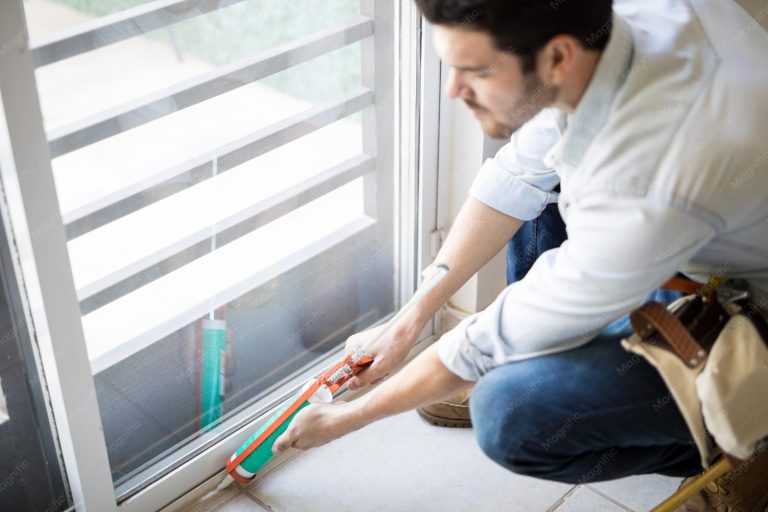
- Draught-proofing. Fixing gaps, worn gaskets and loose locking cams is cheap and quick. The Energy Saving Trust consistently ranks draught-proofing among the most cost-effective measures. See how to fix draughty windows.
- Loft and wall insulation. Far more heat is lost through roofs and walls than windows in most uninsulated homes.
- Replacing failed sealed units. A misted unit has lost its gas fill and dry air. A new low-E unit restores performance at a small cost. See replacement glass units.
- Heavy curtains and thermal blinds. Government guidance has long pointed to well-fitting curtains and blinds as a low-cost way to reduce heat loss through glass.
- Secondary glazing. For period windows that must be kept, the Energy Saving Trust notes that permanent secondary glazing can perform very well, though it is not cheap.
The genuine benefits of new windows
None of this means new windows are pointless. There are real reasons people replace them, and it is fair to weigh them honestly.
Real benefits
- Warmer glass surfaces and fewer cold spots
- Less noise, especially with acoustic glass
- Less condensation on old single glazing
- Modern security hardware throughout
- Lower maintenance than old timber
Weaker arguments
- “They will pay for themselves”
- “Your double glazing is wasting energy” when it is sound
- “Prices go up next week”
- Savings figures with no source or no starting point
How to test a savings claim
If a salesperson quotes an annual saving, ask four questions:
- “Where does that figure come from?” An honest answer will name a source, such as the Energy Saving Trust.
- “What is it based on?” Is it single glazing or double glazing? A semi or a detached house?
- “What is the payback on my actual quote?” Divide the price by the claimed yearly saving.
- “What would fixing my existing windows save instead?” If the answer is “nothing”, ask why.
Our guide to double glazing sales tactics covers other claims to be careful of.
What about the carbon saving?
Lower energy use means lower emissions, and the Energy Saving Trust estimates around 290kg of CO₂ saved a year when a GB semi moves from single to A-rated double glazing. But manufacturing and installing new windows also has a carbon cost, and throwing away sound frames creates waste. Keeping a working window in service for longer, with replacement parts where needed, is often the lower-impact choice.
When the numbers do favour new windows
The financial case is strongest when a house is still single glazed in frames that cannot take sealed units, when frames have failed and need replacing anyway, or when several major faults on the same windows would cost nearly as much as replacement. In those cases, choose A-rated windows that meet current regulations. Our guide to window energy ratings explains what the labels mean.
Do new windows save money compared with repairing them?
For most homes that already have double glazing, the honest answer is that repairs deliver more value per pound. A failed sealed unit replaced with a modern low-E unit restores the glass’s performance. Adjusted locking cams and new gaskets stop draughts. Dropped sashes rehung on new hinges seal properly again. Each of these costs a fraction of a new window, and together they recover much of the comfort that new windows would bring.
| Upgrade | Typical cost | What it improves |
|---|---|---|
| Draught repair (adjustment) | £30–£100 | Comfort, cold spots |
| New gaskets or reseal | £80–£125 per window | Air leakage, draughts |
| High-performance sealed unit | £80–£190 per unit | Glass performance, edge condensation |
| New uPVC window, installed | £350–£600+ | Everything, at the highest cost |
Ranges from 2026 UK price guides, rounded.
Who to ask for an honest energy assessment
A window salesperson is not the best person to tell you whether new windows will save money. For a wider view of where your home loses heat, look at your Energy Performance Certificate, which lists recommended improvements, or speak to an independent energy assessor. For the windows themselves, a repair specialist can tell you which units have failed and which seals need attention. See how to choose a window repair specialist.
What to watch out for
- Savings figures that assume single glazing when your home already has double glazing.
- Payback claims without a calculation. Divide the quote by the yearly saving yourself.
- “Prices go up next week” as a reason to decide quickly.
Frequently asked questions
How much do new windows save per year?
For a GB semi going from entirely single glazing to A-rated double glazing, the Energy Saving Trust estimates around £85 a year. Replacing working double glazing saves much less.
Do new windows increase house value?
Windows in good working order help a sale, but sound repaired windows are generally acceptable to buyers. Keep certificates for any replacements.
Is triple glazing worth it for energy savings?
It performs better than double glazing, but the additional saving over good double glazing is small relative to the cost for most UK homes.
What is the cheapest way to reduce heat loss through windows?
Fix draughts, replace failed sealed units, and use well-fitting curtains or thermal blinds.
Featured image by magnific on Magnific (free licence).