The Best Fluffy Pancakes recipe you will fall in love with. Full of tips and tricks to help you make the best pancakes.

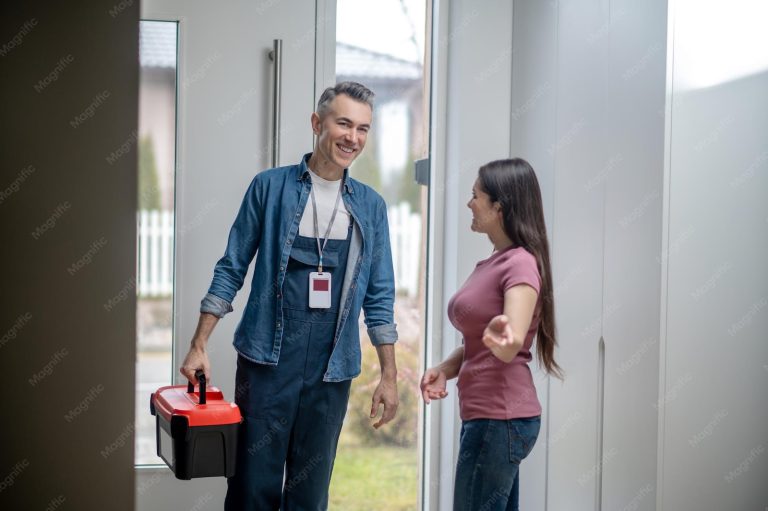
Double glazing sales tactics are the reason this blog exists. Every week, homeowners with one misted pane or a sticking handle invite a salesperson round and come away with a quote for a whole house of new windows. Sometimes they need them. Far more often, they had a repairable fault and were talked into a five-figure decision in a single evening.
Not every window company behaves this way, and many are honest. But the industry’s reputation for pressure selling did not come from nowhere. Which? has long warned homeowners about pushy double glazing sales techniques, and its advice on how to buy double glazing starts with avoiding them. This guide explains the tactics to watch for, your legal right to cancel, and the questions that cut through the pitch.
Quick answer
Be wary of big “today only” discounts, long sales visits, a manager phoning in with a special price, claims that your windows are unsafe, and pressure to waive your cooling-off period. If you sign a contract at home, Which? says you must be given a cooling-off period of at least 14 days. Always ask what is actually wrong with each window, and ask what a repair would cost.
Why repair rarely comes up in a sales visit
A salesperson who earns commission on new windows has little reason to tell you that a £90 sealed unit would fix your problem. That is not necessarily dishonesty. It is simply what the visit is set up to sell. If you have only invited replacement companies, you will only hear about replacement.
That is why it is worth knowing what most window faults really are before anyone arrives. Misted glass is a failed sealed unit. A dropped sash is worn hinges. A door that will not lock is usually out of alignment. Our double glazing repair cost guide shows what those repairs typically cost in 2026.
The double glazing sales tactics to recognise
1. The inflated price and the dramatic discount
The visit opens with a very high figure. Then come the reductions: a seasonal offer, a “show home” discount for letting the company put a sign outside, a loyalty or local discount, and finally a special price if you sign tonight. The final price may still be well above what a competitor would quote, but after the drop it feels like a bargain.
2. The phone call to the manager
The salesperson steps out to “call the manager”, then returns with an extra discount that is only available now. It creates a sense of an exclusive deal and makes walking away feel like losing money.
3. The marathon visit
Visits that last two or three hours wear people down. By the end, signing feels like the only way to end the evening. Homeowners on consumer forums regularly describe visits of three hours or more before a deposit was taken.
4. “Your windows are failing”
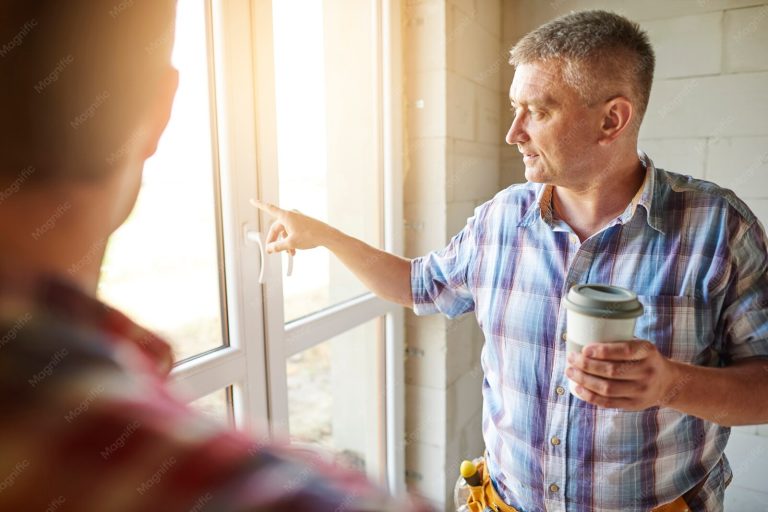
Misted glass, a dropped door or tired seals are presented as signs that the frames are at the end of their life, or even unsafe. Sometimes that is true. More often, the fault is in a replaceable component.
5. Pressure to start straight away
You may be asked to agree that work can begin within your cancellation period, or to sign something that waives it. This makes cancelling more complicated and is a common source of disputes.
6. The large deposit
A substantial deposit taken on the night makes it harder to change your mind, even when you are legally entitled to.
14 daysMinimum cooling-off period for off-premises contracts
3Quotes to get before signing anything
£55–£145Typical cost of the misted unit that started the visit
Your right to cancel
When you sign a contract away from the trader’s business premises, such as at your kitchen table, it is known as an off-premises contract. Under the Consumer Contracts (Information, Cancellation and Additional Charges) Regulations 2013, Which? explains that you must be given a minimum of 14 days as a cooling-off period, within which you can cancel. Some companies offer longer. A company policy that mentions only seven days does not override the legal minimum where the regulations apply.
The trader must also give you specific information about your right to cancel, including a cancellation form. If they fail to provide that information, the cancellation period can be extended significantly. Contracts involving made-to-measure products and work that has already started can be more complex, so if you are in any doubt, read the Which? guide to your rights when buying double glazing or contact the Citizens Advice consumer service.
Cancel in writing. If you change your mind, cancel clearly in writing within the period, keep a copy and note the date. Email is fine, and the cancellation form provided by the trader is the simplest route.
Questions that cut through the pitch
These questions are polite, reasonable and very revealing. A trustworthy company will answer them without hesitation.
- “What exactly is wrong with each window?” Ask them to point to the fault on every window they want to replace.
- “Could this be repaired, and what would that cost?” If the answer is “we don’t do repairs”, that tells you what the visit is for.
- “Is this price valid for 30 days?” A fair price does not disappear at midnight.
- “Which competent person scheme are you registered with?” For replacement windows, they should be able to self-certify through a scheme such as FENSA or Certass. See our FENSA guide.
- “Is the guarantee insurance-backed, and what does it cover?” Our guide to double glazing guarantees explains what to look for.
- “Is my deposit protected?” Some trade association schemes offer deposit protection. Ask for the details in writing.
A calmer way to decide
The single most effective defence against pressure selling is time. Decisions about windows are rarely urgent unless glass is broken or a door will not lock. Use that time well.
- Get a repair opinion first. Ask a repair specialist to look at the faults before you invite anyone to quote for replacement.
- Get at least three quotes for any replacement work, from companies that have each seen the house.
- Compare like with like. Check frame system, glass specification, energy rating, locks, guarantee and what is included in fitting and making good.
- Never sign on the first visit. Tell the salesperson at the start that you will not be signing tonight. It shortens the visit considerably.
- Keep deposits modest and pay by a method that offers protection where possible.
- Read the contract before signing, including the cancellation terms and what happens if you cancel.
When new windows really are the right answer
We are not against new windows. Sometimes they are the right call: when frames are rotten, warped or split, when a house is still single glazed, or when several components have failed at once and the combined repair cost approaches the price of a new window. Our guide on whether you should replace your windows sets out those tests honestly.
The point is that the decision should be yours, made calmly, with full information about the alternatives. It should not be made at 10pm under pressure from someone who has only one product to sell.
What to do if you feel you were misled
If you believe a company made false claims, pressured you unfairly or is refusing a valid cancellation, start by putting your complaint to the company in writing. If that does not resolve it, the Citizens Advice consumer service can advise and pass details to Trading Standards. If the company belongs to a trade association, that association may also have a complaints or conciliation process.
A note on energy saving claims
Sales pitches often lean heavily on energy savings. Be cautious. The Energy Saving Trust estimates that installing A-rated double glazing in an entirely single-glazed semi-detached home saves around £85 a year in Great Britain. Replacing double glazing that already works saves far less. Our article on whether new windows save money runs through the payback maths.
Who to call instead
The best protection against double glazing sales tactics is to have the fault assessed by someone who earns a living from repairs. A window and door repair specialist can tell you whether a misted unit, a worn hinge or a dropped door is the real problem, and what it should cost. Our guide on how to choose a window repair specialist explains who to call for each fault and how to check them.
A five-step plan before you sign anything
- List every fault in the house and photograph it.
- Get a repair opinion first, with prices for each fix.
- Only then get replacement quotes, for the windows that have genuinely failed.
- Compare like with like: frame system, glass, energy rating, locks, guarantee and making good.
- Sleep on it. A fair price will still be available next week.
Keep your windows out of the sales funnel
Many sales visits start because a small fault has been left to get worse. A misted pane, a door that needs lifting to lock or a window that will not stay open are all cheap to fix early. Routine maintenance, covered in our maintenance checklist, keeps those faults from building up into a reason to replace.
Keep reading
Frequently asked questions
Can I cancel a double glazing contract I signed at home?
In most cases, yes. Which? says you must be given a minimum 14-day cooling-off period for off-premises contracts. Cancel in writing and keep a copy.
Is a “sign today” discount ever genuine?
Companies can offer any discount they like, but a price that disappears if you take a day to think is a pressure tactic. A fair offer will still stand next week.
Should I let a salesperson inspect my windows?
There is nothing wrong with getting a quote. Just get an independent repair opinion as well, and do not sign on the first visit.
How much deposit should I pay?
Keep it as low as possible and find out whether it is protected. A very large deposit requested on the night is a warning sign.
Featured image by yanalya on Magnific (free licence).