The Best Fluffy Pancakes recipe you will fall in love with. Full of tips and tricks to help you make the best pancakes.

Replacement glass units are the most cost-effective upgrade most windows will ever get. When a sealed unit mists up, breaks or simply underperforms, you do not need a new window to get modern glass. The frame stays where it is, and a new unit is fitted into it, often with better coatings, gas fill, edge spacers or security glass than the original ever had.
This guide explains what goes into a modern sealed unit, the upgrades available, when safety glass is required, what replacement glass units cost and how to make sure the new unit fits and performs. Even the Energy Saving Trust lists replacing glass in existing frames as an option for improving older windows.
Quick answer
You can usually replace the glass in a double glazed window without replacing the frame. A standard unit typically costs £55–£145 supplied and fitted, and a high-performance energy efficient unit around £80–£190. Upgrades include low-E coatings, argon gas, warm-edge spacers, obscure, acoustic, laminated security and toughened safety glass.
What is inside a sealed glass unit
A double glazed sealed unit is made of two panes of glass separated by a spacer bar around the edge. The spacer contains a drying agent. The edges are sealed, and the cavity is filled with dry air or an insulating gas. The overall thickness has to match the rebate in your window frame, and common uPVC unit thicknesses include 24mm and 28mm.
Each part affects how the unit performs, which is why a new unit can outperform the one it replaces, even in the same frame.
The upgrades worth knowing about
| Upgrade | What it does | Best for |
|---|---|---|
| Low-E coated glass | A microscopically thin coating reflects heat back into the room | Almost every window |
| Argon gas fill | Slows heat transfer across the cavity compared with air | Almost every window |
| Warm-edge spacer | Reduces cold at the edge of the glass and edge condensation | Rooms prone to condensation |
| Toughened safety glass | Breaks into small, blunt pieces | Doors, low-level panes and other critical locations |
| Laminated glass | An interlayer holds broken glass together | Security, safety and noise reduction |
| Acoustic laminated glass | A special interlayer dampens sound | Busy roads, flight paths, railways |
| Obscure glass | Patterned for privacy while letting light through | Bathrooms, front doors, side windows |
| Solar control glass | Reduces solar heat gain and glare | Conservatories and south-facing rooms |
Safety glass: when it is required
Some locations need safety glass by law. Approved Document K of the Building Regulations covers protection from impact with glazing in critical locations, such as glass in and around doors and low-level glazing where people could fall against it. A competent glazier will check the location before ordering and specify toughened or laminated glass where needed.
If an existing unit in a critical location was never safety glass, the replacement is a good opportunity to put that right. Look for the small etched mark in the corner of the glass, which identifies safety glazing.
What replacement glass units cost
| Unit | Typical cost, supplied and fitted |
|---|---|
| Small standard unit | £55–£75 |
| Large standard unit | £115–£145 |
| Obscure unit | £70–£170 |
| High-performance energy efficient unit | £80–£190 |
| Conservatory side panel | £120–£250 |
2026 ranges from MyJobQuote price guides. Specialist glass such as acoustic laminated or large toughened panels costs more. Many glaziers charge a minimum call-out, so replacing several units in one visit is better value.
What about triple glazing?
Triple glazed units are heavier and usually thicker than double glazed ones. Some frames can accept a triple glazed unit of the right thickness, but the extra weight puts more load on the hinges, and the sash may need heavy-duty hinges. For most UK homes, a good low-E argon double glazed unit gives most of the benefit at lower cost and weight. Our guide to hinges explains load ratings.
How a glass unit is replaced
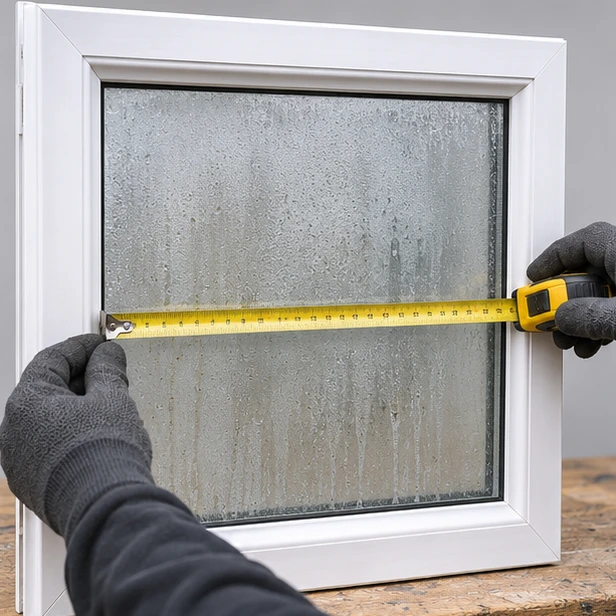
- Measure the existing unit’s width, height and thickness precisely, and note any special glass requirements.
- Specify the upgrade: coating, gas, spacer, safety, privacy or acoustic glass.
- Order the unit, which is made to size, usually within a few working days.
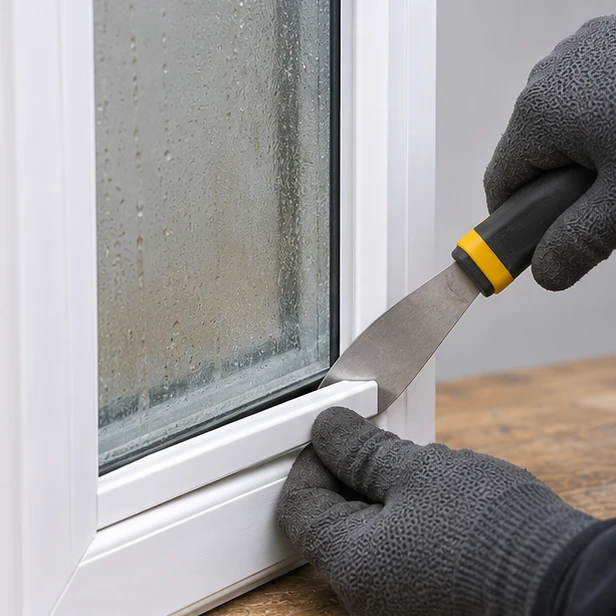
- Remove the beads and lift out the old unit.
- Check and clean the rebate and drainage.
- Fit the new unit on correctly positioned glazing packers.
- Refit the beads, check the window operates smoothly and clean the glass.
 1
Measure the glass unit
 2
Remove the glazing beads
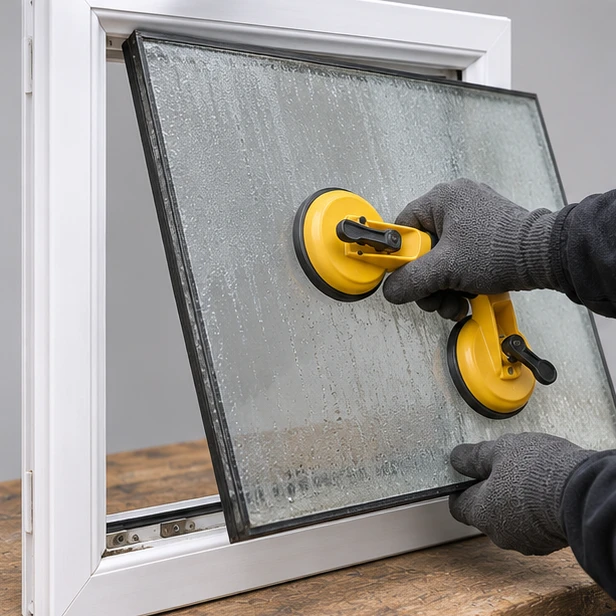 3
Lift out the old misted unit
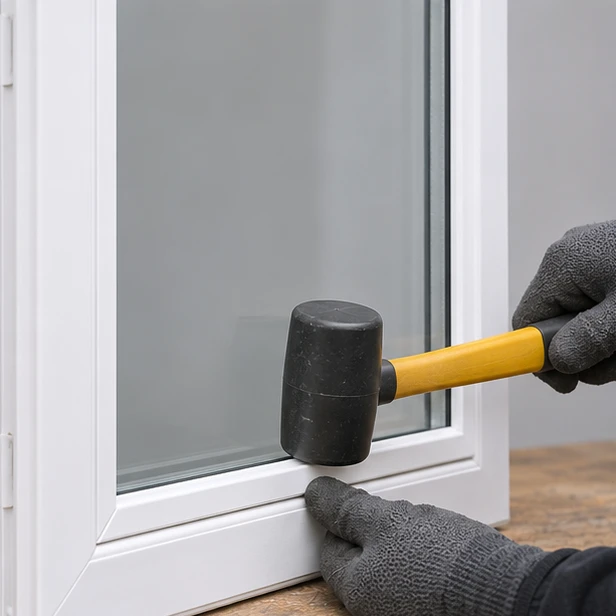 4
Fit the new unit and refit the beads
Will new glass make a noticeable difference?
If the old unit has failed, yes: the view clears and the unit insulates as designed again. If the old unit is sound but older, a modern low-E unit with a warm-edge spacer makes the room-side glass feel warmer and reduces condensation at the edges. It will not transform a draughty window on its own, though. Draughts come from seals and locking compression, so combine glass upgrades with the fixes in our draughty windows guide.
Keep expectations realistic on bills. The Energy Saving Trust estimates that even replacing all single glazing in a semi-detached home with A-rated double glazing saves around £85 a year in Great Britain. Upgrading existing double glazed units saves less, so think of it as a comfort and condensation upgrade first. See do new windows save money?
Regulations and paperwork
Replacing a glass unit in an existing frame is not normally building work, so no FENSA certificate or Building Control approval is required. You should still get an invoice describing the specification and a guarantee on the unit. Our guide to FENSA certificates explains when certification does apply.
Replacement glass in period and conservation properties
For timber windows in conservation areas or listed buildings, slim double glazed units can sometimes be fitted into existing sashes, but listed buildings need consent. The Energy Saving Trust notes slim-profile options for replacing glass without replacing original frames. Our sash window guide covers this in more detail.
Who to call for replacement glass units
A glazier or window repair specialist who manufactures or orders sealed units to size is the right person. Ask what specification they propose: the glass type, low-E coating, gas fill, spacer bar and whether any safety glass is needed. For timber windows in period homes, look for a specialist who works with slim double glazed units and can rebalance sashes. Our guide on choosing a window repair specialist explains what to ask.
What to watch out for
- Like-for-like quotes that do not mention low-E glass or gas fill. Ask what the new unit includes.
- Units ordered without a safety glass check for doors and low-level glazing.
- Thicker or heavier units fitted without checking the hinges can carry the extra weight.
- No guarantee on the new unit. Ask how long the seal is guaranteed.
Choosing the right replacement glass units, room by room
| Room or location | Sensible specification |
|---|---|
| Living rooms and bedrooms | Low-E, argon filled, warm-edge spacer |
| Bedrooms on busy roads | Acoustic laminated glass |
| Bathrooms and en-suites | Obscure glass with low-E |
| Doors and low-level panes | Toughened or laminated safety glass |
| Ground floor rear windows | Laminated glass for added security |
| Conservatories and south-facing rooms | Solar control glass |
Making new glass units last
Most sealed units fail at the edge seal, and the biggest enemy of that seal is water sitting in the frame. Keep the drainage slots clear, avoid pressure washing around the glass, and make sure the glass sits on correctly placed packers. With that care, replacement glass units can serve for many years. Our maintenance checklist explains the routine.
Keep reading
Frequently asked questions
Can I replace just the glass in a double glazed window?
Yes. The sealed unit is removed from the frame and a new one, made to size, is fitted in its place.
Is low-E glass worth it?
Yes. It is now standard in good quality units and costs little extra, while improving insulation and reducing condensation on the room side.
Do I need building regulations approval for new glass units?
No, not normally. Replacing glass in an existing frame is a repair, though safety glass rules still apply in critical locations.
How long does it take to get a replacement glass unit?
Units are made to measure, usually within a few working days, and fitting takes around an hour per unit.
Featured image by fotodinero on Magnific (free licence).